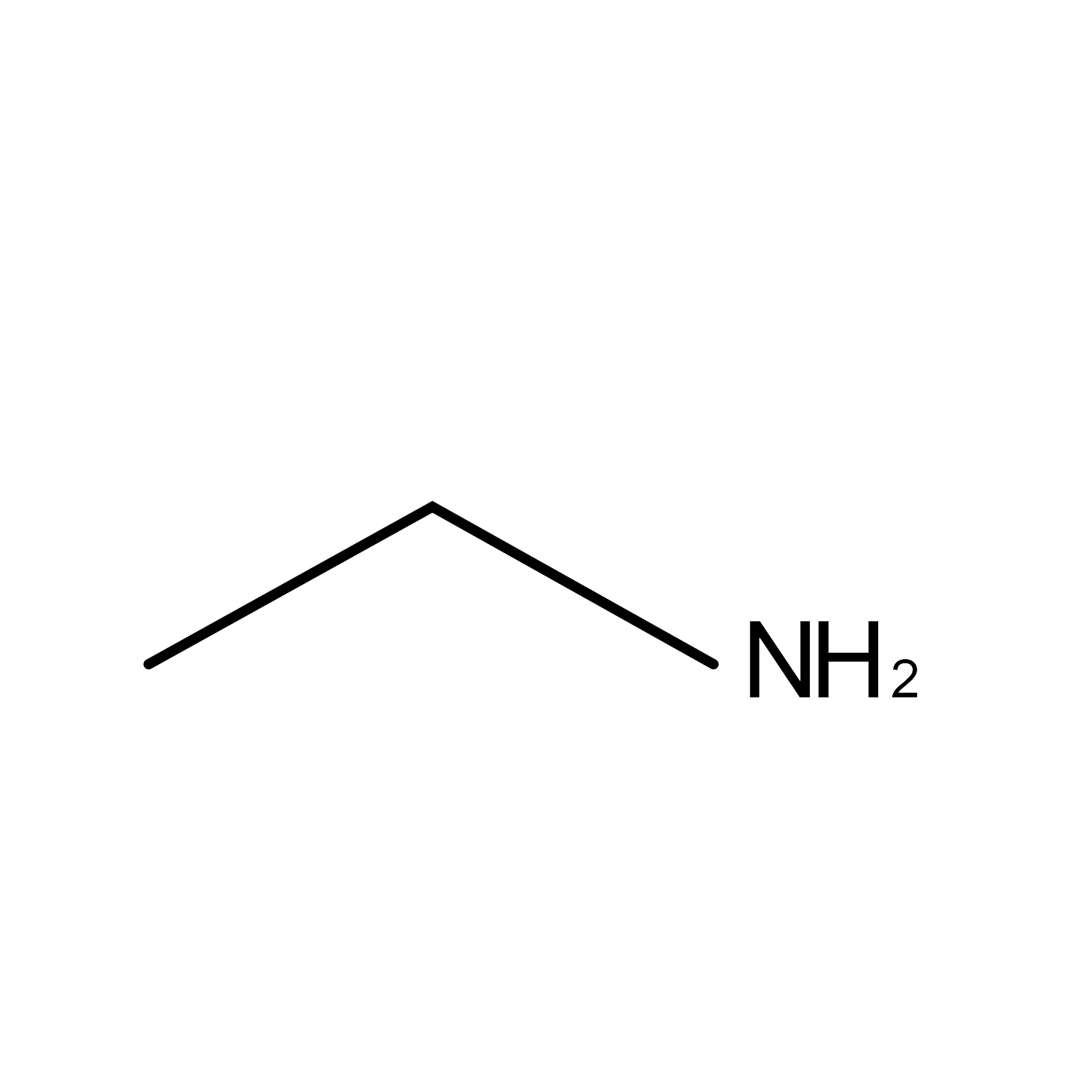
Monoethylamine, also known as ethylamine or aminoethane. Monoethylamine is chemically reactive and can react with acids to form salts, and with carboxylic acids, acid anhydrides, and acyl chlorides to form amides. It is an important organic synthesis intermediate. In the field of pesticides, monoethylamine is a core raw material for the synthesis of triazine herbicides such as atrazine, simazine, and ametryn. In the pharmaceutical field, it is used to synthesize various pharmaceutical intermediates. In the field of new materials, it can be used as a raw material for the production of dye intermediates, rubber accelerators, surfactants, and ion exchange resins.
Solvent and extractant
As an excellent organic solvent, it is widely used for dissolving resins, dyes, and pesticide intermediates, and is also used in extraction processes for the separation and purification of target compounds.
Pharmaceutical intermediate
It is used in the synthesis of local anesthetics, antihistamines, and sulfonamide drugs, and is an important synthetic raw material for various pharmaceutical products.
Pesticide synthesis
It is one of the core raw materials for herbicides (such as atrazine and simazine) and holds an important position in the pesticide industry.
Rubber auxiliaries
It is used in the production of rubber vulcanization accelerators to improve the processing performance and mechanical strength of rubber products.
Organic synthesis
As an aminating reagent in organic synthesis, it is used to prepare ethylated, amidated products, and other amine derivatives, and is widely used in the production of fine chemicals.