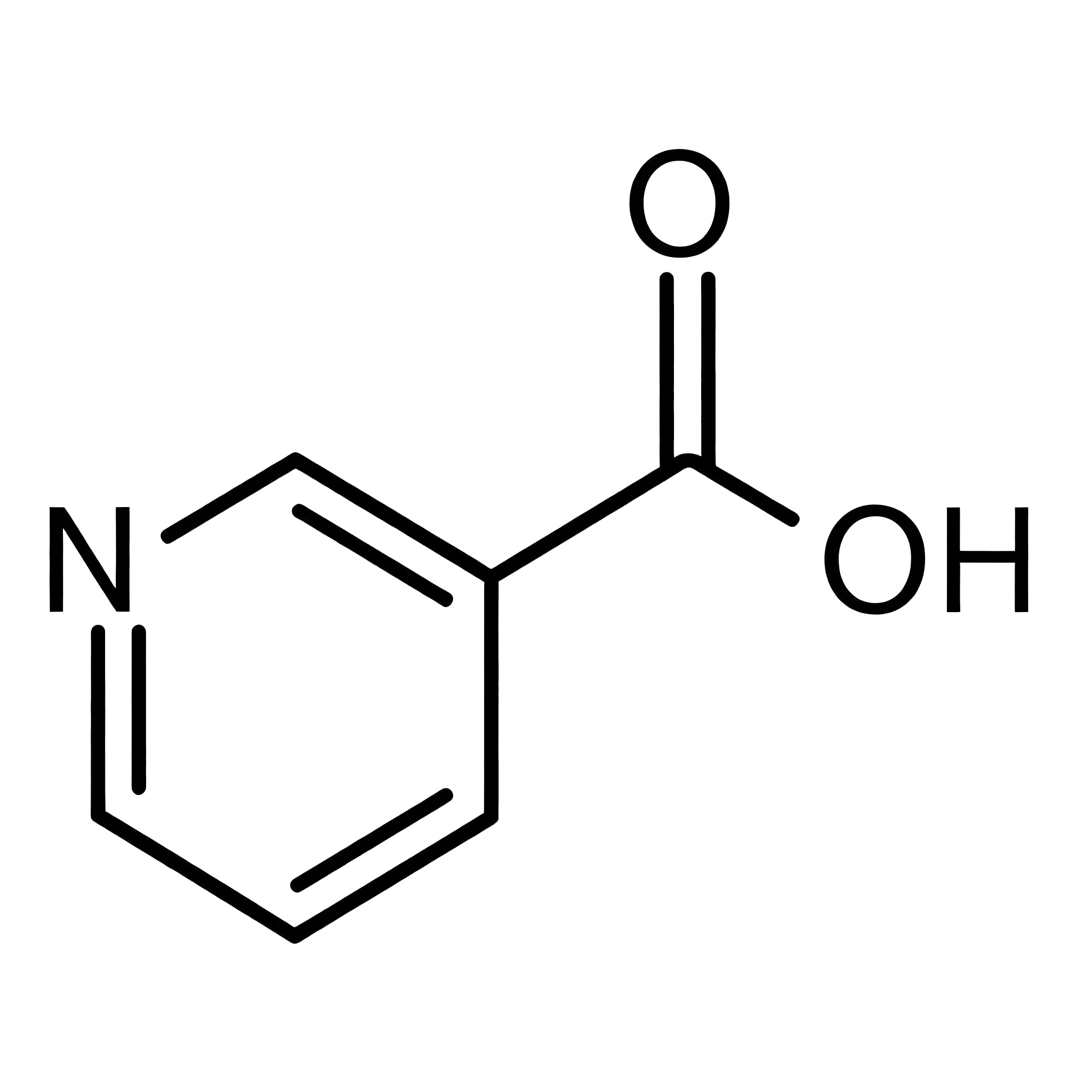
Niacin (Food Grade)

A functional food additive for B-vitamin nutritional fortification and energy metabolism support

Product Information


  • 产品名 Niacin (Food Grade)
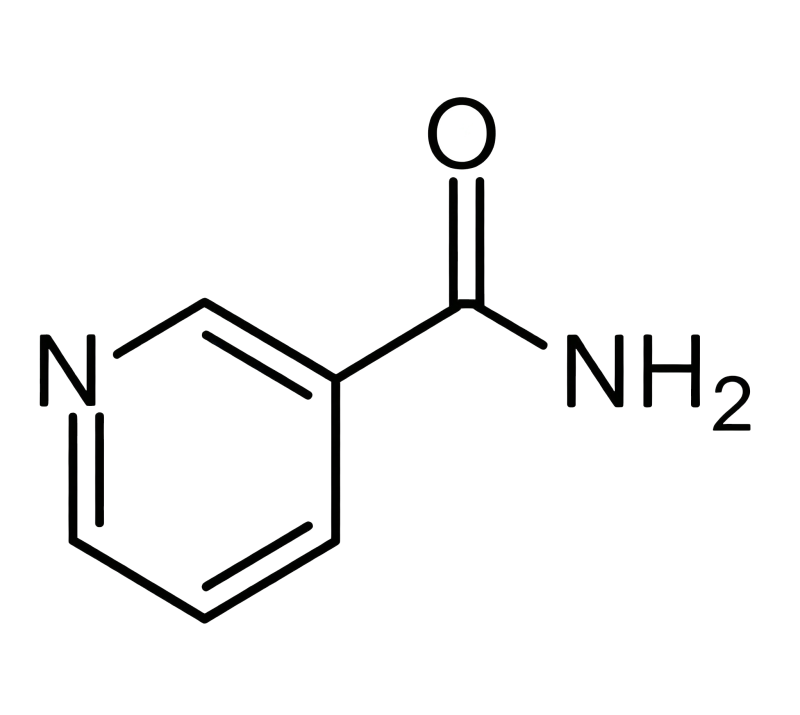
  • 化学式 C₆H₅NO₂
  • CAS 59-67-6
  • 执行标准 GB 14757-2010
  • 产品特性 White crystalline powder, slight characteristic odor, sparingly soluble in water, soluble in boiling water and boiling ethanol
  • 产品包装 25 kg cartons, 500 kg bulk bags, 750 kg bulk bags

Product Benefits

Niacin, also known as vitamin B3, is mainly found in animal organs and muscle tissue, with trace amounts also present in fruits and egg yolks. It is one of the 13 essential vitamins for the human body and belongs to the B-complex vitamins. It is heat-resistant, can sublime, and is a water-soluble vitamin. In the human body, niacin can be converted into nicotinamide, which participates in the synthesis of coenzyme I and coenzyme II and plays an important role in lipid metabolism, oxidative tissue respiration, and anaerobic carbohydrate decomposition. Niacin is used as a dietary supplement to treat pellagra, a disease caused by niacin deficiency. The signs and symptoms of pellagra include skin and oral lesions, anemia, headache, and fatigue. Many countries require its addition to wheat flour or other grains to reduce the risk of pellagra.

Nutritional fortification

As an essential B-complex vitamin for the human body, it participates in the metabolic processes of lipids, carbohydrates, and proteins, and is used for food nutritional fortification and dietary supplementation.

Feed additive

It can significantly improve feed protein utilization, increase milk production in dairy cows, and enhance the meat yield and quality of poultry and livestock. It is an important nutritional additive in the feed industry.

Pharmaceutical applications

It is used for the prevention and treatment of niacin deficiency disorders such as pellagra, has the effects of dilating blood vessels, lowering blood lipids, and reducing cholesterol synthesis, and is also an important intermediate for the synthesis of drugs such as nikethamide and nicotinamide.

Industrial auxiliary agent

It is used as an additive and auxiliary agent in industries such as dyes and electroplating, and also has application value in fields such as luminescent materials.